hair loss and alternative hair
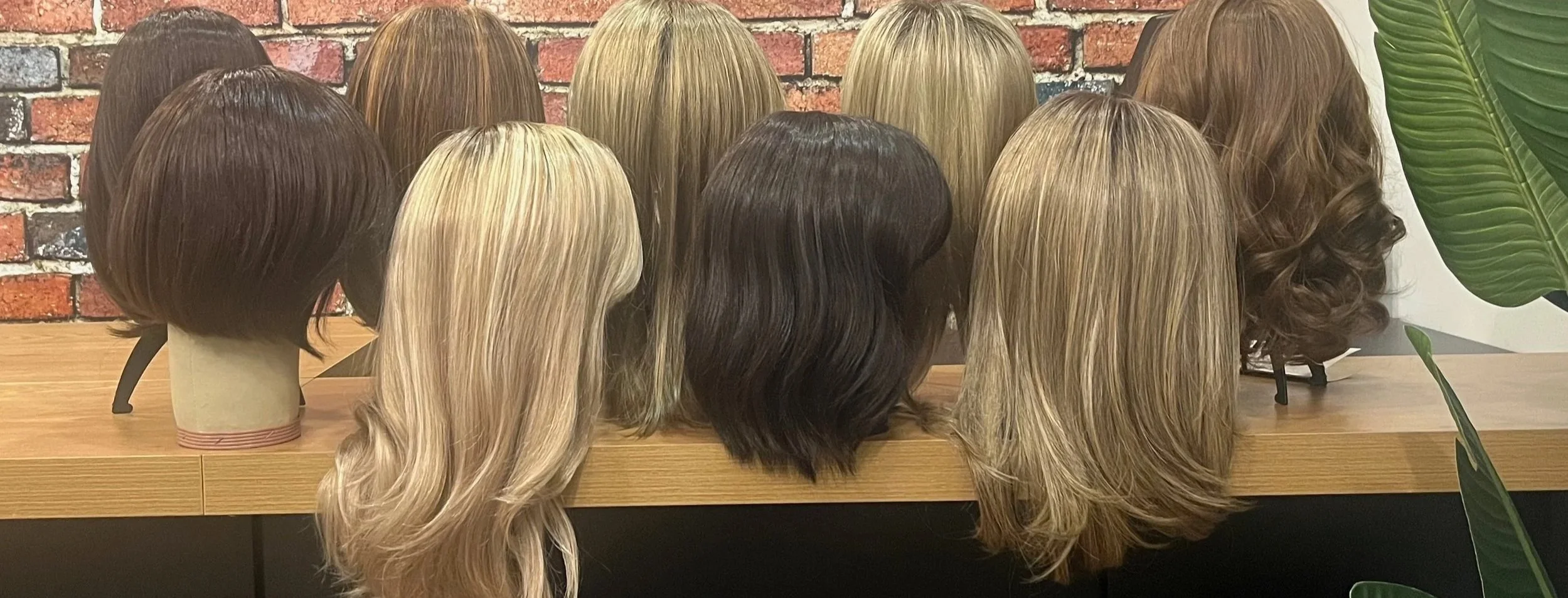
Hair loss is a disruption in the normal hair growth cycle. each hair follicle cycles through three phases: anagen (active growth), catagen(transition), and telogen (resting/shedding). At any given time, most scalp hairs are in the anagen phase, which can last several years. Hair loss occurs when this cycle is altered—such as a shortened growth phase, a prolonged shedding phase, or damage to the follicle itself.
There are several types of hair loss, including androgenetic alopecia, which is driven by genetic sensitivity to hormones like dihydrotestosterone (DHT), and telogen effluvium, in which a higher percentage of hairs prematurely shift into the shedding phase due to stress, illness, or hormonal changes. Other causes can include autoimmune conditions, nutritional deficiencies, chemical damage, and certain medications. Understanding the underlying mechanism is key to identifying the most appropriate approach for support, treatment, or alternative hair solutions.
There are many ways to manage hair loss, and the right approach often depends on the cause, severity, and your personal comfort level. Medical treatments, such as minoxidil and finasteride, may help slow shedding or support regrowth for certain types of hair loss. For immediate, non-medical solutions, wigs and toppers offer natural-looking coverage and can be customized to match your style, while accessories like scarves, headbands, and hats provide flexible, low-commitment options. Some people also explore surgical interventions, such as hair transplantation, which redistributes existing hair follicles to areas of thinning hair. Often, a combination of approaches works best, and having guidance can help you choose options that feel both effective and aligned with your lifestyle.
As a hairstylist and cranial prosthesis specialist, I bring both technical expertise and a personalized approach to alternative hair, and I can bill insurance if applicable. I work with Jon Renau, a leading name in high-quality wigs and toppers, which allows me to source a wide range of styles, colors, and cap constructions. I can custom order pieces to suit your specific needs, then refine the look with custom cutting, shaping, and, in some cases, custom color work to ensure it feels natural and truly yours. When choosing a piece, understanding fiber types is key: synthetic hair holds its style with minimal maintenance and is ready-to-wear; heat-defiant synthetic offers more flexibility for low-heat styling but may have a shorter lifespan; and human hair provides the most versatility, allowing for heat styling and color adjustments, with a more natural movement and feel. Each option has its benefits, and I help guide you toward what best fits your lifestyle, comfort, and desired look.

topper vs. wig
what’s the difference?
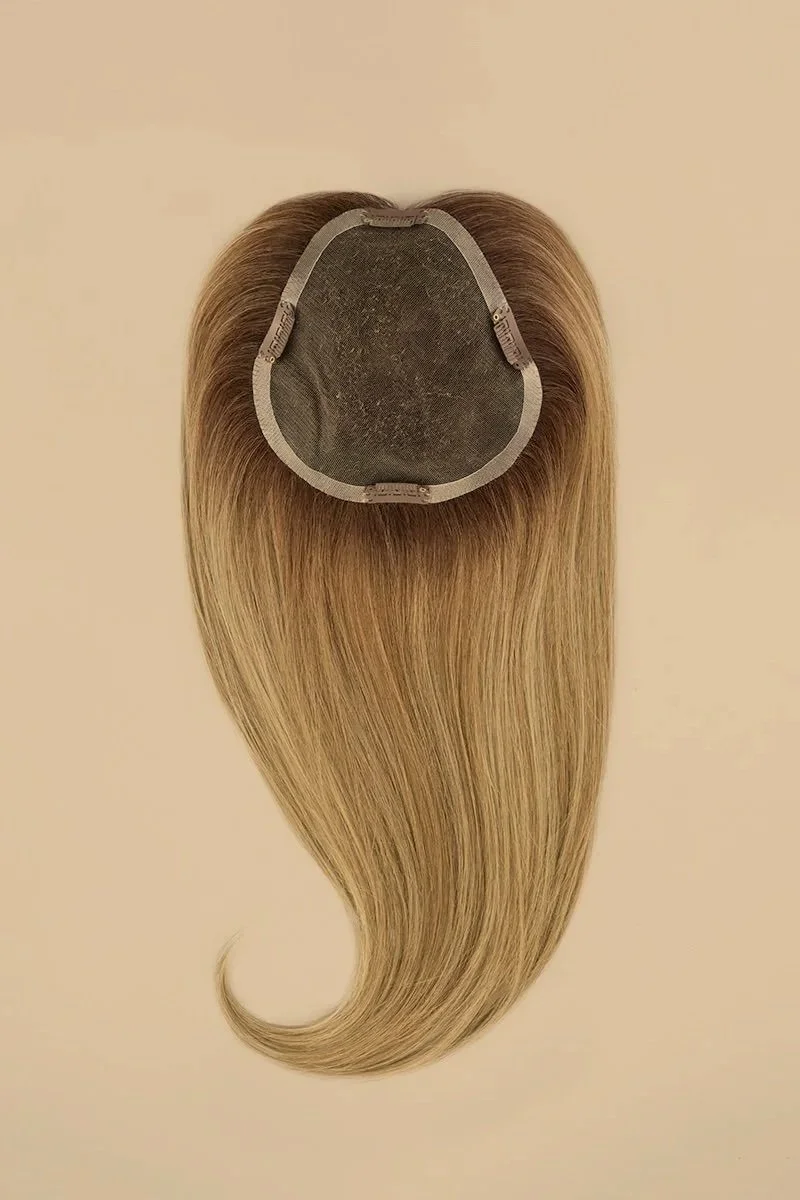
A topper and a wig both provide coverage, but they are designed for different levels of hair loss and styling needs. A topper is a partial hairpiece that clips into your existing hair, adding volume and coverage to specific areas like the crown or part line. It blends with your natural hair, making it a great option for thinning or low-density areas while still keeping your own length and texture. A wig, on the other hand, is a full-coverage piece that replaces all of your natural hair, sitting over the entire scalp. Wigs are ideal for more advanced hair loss or for those who want a complete transformation in style, color, or density. Choosing between the two depends on how much coverage you need, how much natural hair you want to incorporate, and what feels most comfortable and manageable for your lifestyle. If you’re interested in learning more, I offer an in-person consultation (found on the hair services page) and online consultation (found below).